Can a small apartment have a living wall and keep it alive
Find out how to build a living wall in a small apartment without damaging the drywall, choosing the right plants and watering them safely.
Penned by Thea Ostrander
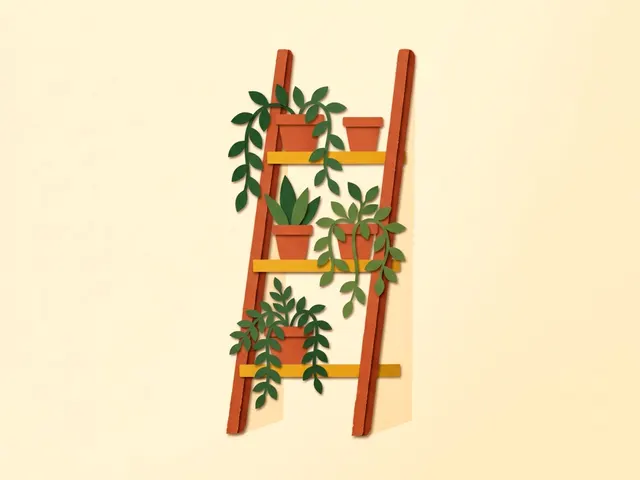
A small apartment can support a healthy living wall if you choose a freestanding or lightweight hanging structure. The trick is avoiding heavy built-in systems that hold wet soil directly against the drywall. You just need sturdy mounts, low-maintenance trailing plants and a safe way to catch drips.
What counts as a living wall in a home
A living wall is simply a vertical garden grown indoors. Massive hydroponic systems hooked up to plumbing belong in commercial spaces, not your apartment. A home version relies instead on a grid, frame or fabric pocket system holding individual plant pots.
The plants sit close together in these setups. Overlapping leaves cover the hardware behind them to create the illusion of a solid wall of green.
Going vertical gives you a garden without crowding the room. Moving hobbies onto the walls is a smart choice if you want to live with less stuff. The setup clears the floor completely while keeping trailing vines and upright plants contained on one surface.
A vertical garden acts as a focal point in a small space. You just have to manage the soil and the water yourself.
Check light, water and wall limits first
Every indoor plant needs daylight to survive. A spot across from a bright, sunny window works best, while a dark hallway leaves most plants struggling.
Watch how the sun moves across the room during an average afternoon. The light changes as the seasons shift, so make sure the wall gets bright, indirect sunlight for a few hours a day.
Think about how you will move water from the faucet to the wall. A large vertical garden drinks heavily, meaning you will carry full watering cans across the room.
Pick a spot with a clear path to the kitchen sink or the bathroom. Hard floors are easier to wipe dry, helping you avoid carrying dripping plants over rugs.
Renters must also respect the drywall. Wet soil is heavy, and a frame full of plants requires heavy-duty drywall anchors or screws driven into wooden studs. Check your lease to see what hardware you can install.
Protecting your deposit is a priority if you are trying to start living green. Landlords sometimes ban large holes entirely.
You also have to consider moisture damage. A poorly designed setup can trap damp air against the paint and cause mold, so a good plan keeps a barrier between the plants and the wall.
Choose a hanging or freestanding setup that spares the wall
You can build a vertical garden without tearing into the plaster. Several setups work well for small spaces and leave the walls intact.
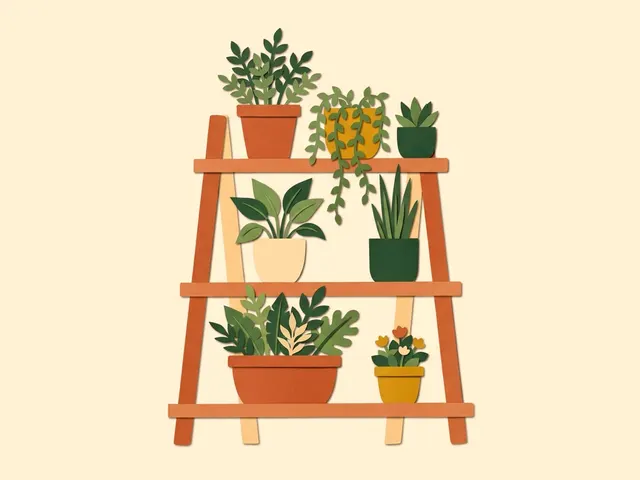
Freestanding shelving units
A tall, narrow shelf acts as an excellent base. Choose a frame with open wire backs and sides so the plants get plenty of air.
Placing a row of pots on each tier puts all the weight on the floor. The plants will eventually grow outward and hide the shelves, and you can easily pull the entire unit away to clean behind it.
Tension poles
Tension poles stretch from the floor to the ceiling. Twisting them until they lock firmly in place needs no screws and leaves no holes.
Most poles come with adjustable hooks or small trays for hanging individual pots. Placing multiple poles side by side creates a narrow, dense forest effect that works perfectly in tight corners.
Wall-mounted pocket panels
Felt pocket systems hang like a picture frame once you drill strong hooks into the wall studs. The felt pockets hold the soil and the plants, but you must buy a panel with a waterproof backing.
The waterproof layer stops moisture from soaking through to the paint. Keep the panel small, because wet soil is heavy, and it suits a spot over a desk or a sofa.
Metal grid panels
A stiff wire grid is another lightweight option. Mounting the grid to the wall takes just a few screws. You then attach small plastic pots to the wire using built-in hooks or ties. The grid keeps pots slightly away from the wall for air circulation, and you can easily unhook a single container to water it.
Pick plants that forgive missed waterings
A vertical garden dries out faster than a single potted plant on a table. Warm air rises, so the plants near the top may need more frequent watering. Choosing tough, drought-tolerant varieties saves you from constant maintenance.
Vining plants form the foundation of any indoor wall. Pothos and heartleaf philodendrons grow quickly, trailing downward to cover the bare spots between pots, but check that a plant is safe for pets and children before you hang it.
These plants tell you exactly when they need water because their leaves droop slightly. They usually perk up after a good soak, and you can train their vines to weave through a grid.
Add structural plants to give the wall some depth. Snake plants grow straight up and thrive on neglect, making them ideal for the top row where the air is warmest.
ZZ plants also survive long dry spells thanks to thick, waxy leaves that hold moisture. Both varieties tolerate low light fairly well.
Avoid ferns and calatheas. These plants demand high humidity and often turn brown and crisp in the dry air of an apartment. Replacing dead foliage in a complex wall frame is messy, so stick to resilient houseplants that forgive a missed watering schedule.
Group plants by their thirst. Put the varieties that need regular water on the bottom rows where they are easier to reach. Placing the tough, drought-resistant plants near the ceiling cuts down on the time you spend standing on a chair with a watering can.
Water without stains and drips
Watering is the hardest part of maintaining a living wall. Gravity pulls every spare drop of water down to the floor. A careless routine will warp your baseboards and stain the drywall, so you have to control the moisture.
The safest method involves removing the plants entirely to water them. If your pots unhook from a grid, take them down a few at a time and carry them to the kitchen sink.
Soak the soil thoroughly and let the pots drain until they stop dripping. Wiping the bottom of the pot before hanging it back up keeps the mess in the sink and helps keep the wall dry.
Pocket planters and large shelving units require you to water the plants in place. A watering can with a long, narrow spout lets you reach through the leaves to direct water exactly into the soil.
Pour slowly. Giving the dry soil time to absorb the moisture prevents water from spilling onto the floor.
Always protect your floors. Place a waterproof mat or a long plastic boot tray at the base of the wall. The tray will catch the stray drips and fallen leaves. You can slide a towel under the tray while you work for extra protection.
Keep the leaves dry. Spraying a vertical garden with a misting bottle creates water spots on the paint, and damp foliage resting against the drywall can cause mildew. Deliver the water directly to the roots and use a damp cloth to wipe away dust.
Feed the soil to keep the leaves bright
Plants in small wall pots run out of nutrients quickly. The roots have nowhere to go. You have to feed the soil to keep the leaves bright green.
Use a liquid fertilizer mixed with water. Mix it as the label directs and pour it onto the soil during your regular watering routine, and cut back in winter when growth slows. Granular fertilizers sit on top of the dirt and often wash out over the sides.
Watch out for compacted soil. The dirt in tiny pots shrinks and hardens over time, causing water to run right down the sides without soaking the roots.
Use a wooden chopstick to poke gently into the soil. Breaking up the hard dirt helps the water penetrate the root ball, though completely rigid soil requires replacement.
Trim the vines to encourage new growth
Trailing plants grow quickly and can eventually look untidy. Long vines will reach the floor and tangle around your furniture. You have to cut them back to keep the wall looking intentional.
Grab a pair of clean scissors and snip the longest vines just below a leaf node. This small bump where a leaf joins the main stem is the perfect place to cut.
Trimming often prompts the plant to push out new growth. The top of the plant grows bushier, which prevents the wall from looking thin and sparse near the ceiling.
Root the cuttings in a glass of water on the kitchen counter until small white roots appear. You can then plant these cuttings back into the top pots to fill any bare gaps. Throw away any yellow leaves you find while pruning to let fresh air reach the stems.
Manage pests before they spread
Bugs love dense clusters of leaves. A pest problem on one plant will quickly spread across an entire living wall. You have to inspect the leaves regularly.
Look for sticky sap or fine webbing on the vining plants. Fungus gnats breed in wet soil and are a common apartment pest. Let the top layer of dirt dry out completely to defend against them, delaying your watering if you spot tiny flies.
Wipe the leaves down with a damp rag to remove dust and tiny pests. If one plant looks sick, take it down immediately and quarantine it in another room. Leaving a struggling plant on the wall puts the rest of the collection at risk.
Decide when to scale back
A vertical garden asks for a steady commitment. You have to check the soil, trim the dead leaves and carry water every week. Sometimes the routine becomes a burden. It is fine to change your mind and simplify your space.
Watch for signs of burnout. Dead vines and crispy leaves make a room feel chaotic, so a neglected wall is no longer serving you. If you are learning how to build breathing room, cutting back on plant care makes a difference. A simple home should reduce your stress rather than adding chores.
You can downsize without giving up entirely by keeping only the healthiest plants. Repot them into simple hanging baskets near the window where they get better light. You still enjoy the greenery, but the maintenance drops to just a few minutes a week.
Pass the extra plants on to a neighbor. Donate the hardware to a local thrift store so someone else can use it. A plain, empty wall can bring a quiet sense of relief to a small apartment.
Keep the good habits going

8 ways to start living green when you rent an apartment
Living green in a rental apartment is easy when you focus on small, removable changes that save water, energy and waste without needing any renovations.

How to stop a messy room from coming back
Stop a messy room from coming back by changing your daily habits, spotting drop zones and bringing less stuff into the space to begin with.

How much living space does one person really need
Find out how much living space you actually need to build a comfortable routine. Match your daily habits to the right apartment size and cut out waste.