How to find personal space in a small shared apartment
Learn how to find personal space in a small shared apartment by setting physical boundaries and agreeing on quiet hours for a peaceful home.
Penned by Thea Ostrander
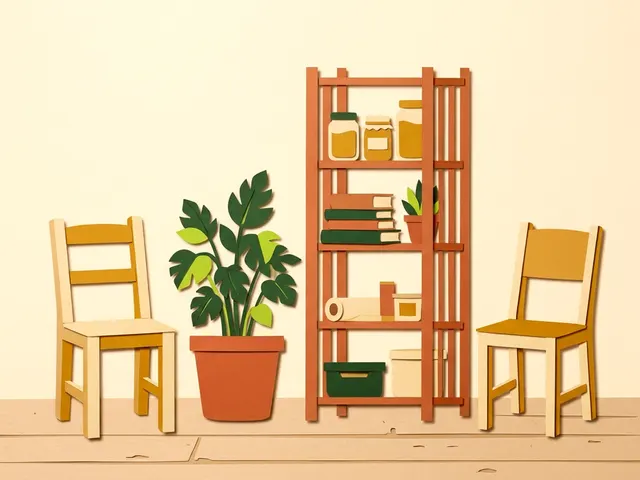
Finding personal space in a small shared home requires clear physical and mental boundaries. You assign specific corners for solo use, build visual barriers with plants or shelves, and agree on quiet hours. These simple changes give everyone room to breathe without the cost of moving.
Figure out what kind of space each person needs
Finding personal space means something different to every person. A quiet room helps one person rest after work, while another roommate just needs a clean desk to draw. Ask your partner what a private zone looks like to them. The answer guides the changes you make.
A small apartment feels crowded when competing needs clash in the same room, turning the living area into a noisy hub. Pinpoint the exact relief you seek. A closed bedroom door cuts down on sound, and a chair turned toward the window provides visual peace.
Outline these needs plainly over coffee and write down what recharges you, since guessing usually leads to frustration. How much living space one person really needs varies from house to house. A remote worker might want physical distance from their desk after work, while a commuter might just want absolute silence.
Mark out a corner that belongs to one person
Dedicate a specific physical spot for each person to claim. A whole spare room remains a rare luxury in a small apartment, but claiming a single corner is entirely possible. The spot might be an armchair by the living room window or the left side of the kitchen table.
This dedicated micro-zone gives you a reliable retreat. Make the boundary clear by using a small rug for the floor area and a specific lamp to signal the zone is active. Keep shared belongings out of this spot. The mail goes on the counter, and the laptop stays off the designated hobby desk.
Respecting these small borders can help prevent quiet resentment from building up. You retreat to your corner without announcing a need for a break, letting the physical boundary do the heavy lifting. Your roommate learns to leave you alone when you sit in that exact spot. Consistency builds the habit for everyone in the home.
Keep the corner clean and ready for use. A messy retreat feels stressful instead of calming. Living in an apartment with less stuff makes these personal zones much easier to maintain. Clear the flat surfaces every night so the spot welcomes you the following day.
Use screens and storage to separate zones
Block lines of sight to make one room function like two, giving each person a sense of privacy. The apartment feels much larger when you cannot see your roommate from your chair. A tall bookshelf serves as an excellent room divider. Open shelves hold books and trailing plants while still letting sunlight pass through the room.
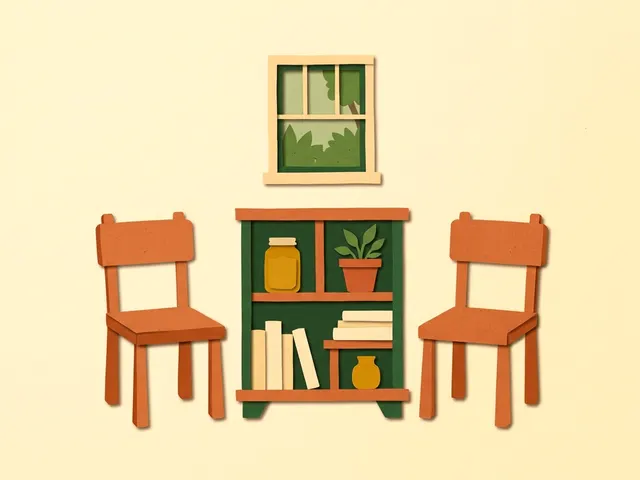
A folding screen blocks the view completely and prevents accidental eye contact that naturally invites unwanted conversation. Breaking that direct line of sight grants instant privacy. Large plants also make soft, natural walls when you use a potted ficus to break up the room. A row of hanging plants on secure hooks filters the view without building a hard wall, as long as each plant is safe for any pets at home.
Furniture placement creates distinct zones without buying a single new thing. Float the couch in the middle of the room to build a narrow hallway behind it. Turn an armchair to face the window instead of the television. The solid back of the chair then acts as a small shield.
The room quickly stops feeling like a single shared box. Small layout changes can improve your daily comfort. You gain a private nook entirely out of thin air.
Control the lighting to shrink the room
Overhead lights illuminate the entire apartment and force everyone to share the exact same mood. Turn off the main ceiling fixture and use small desk lamps to create isolated islands of light. A reading lamp casts a tight pool of yellow light over one chair. The rest of the room then falls into deep shadow.
This lighting trick pulls your attention directly inward so the edges of the room fade a little. You notice the person on the sofa across from you less. Low lighting creates an enclosed feeling without moving a single piece of furniture. Give each zone an independent light source so people control their immediate environment.
Pack your activities into portable kits
Leaving personal belongings spread out across the room destroys the feeling of a calm shared space. A small apartment requires you to pack up the moment you finish a task. Portable kits allow you to set up a personal zone anywhere and pack it away just as fast.
Gather the tools for your daily hobby into a single box or sturdy canvas tote. A wooden tray can hold a laptop, a charger, and a paper notebook. You carry the tray to the dining table to start work. You carry it back to the hall closet when the workday ends.
This simple habit gives a small home real flexibility, letting the kitchen table function as a loud office during the day. It turns back into a quiet dining area by dinner without tangled cords or scattered paperwork left behind.
Your roommate never has to push your things aside just to eat a meal. The physical act of packing the kit signals that your activity is finally done. It creates a hard boundary between work hours and rest time.
Agree on quiet hours and alone time
Silence creates a strict boundary when interior walls cannot, since noise can make a small space feel more crowded. Set specific quiet hours for the entire household to build a predictable routine. A peaceful morning sets a calm tone for the rest of the day. Agree to keep music and podcasts on headphones until a specific morning hour.
Evening quiet hours help everyone wind down before going to sleep. Designate an hour after dinner for quiet solo activities where one person reads a paperback in the bedroom. The other person watches a television show with headphones in the living room. The physical distance might remain small, but the mental distance feels huge.
Clear communication helps avoid misunderstandings here. A closed door or a pair of large headphones signals that a person wants to be left entirely alone. Respect these clear nonverbal cues and do not tap a roommate on the shoulder unless a real emergency happens. Save minor household updates for dinner instead.
The weekly grocery list and a funny text message can wait. Protect your roommate's attention as fiercely as you protect your own. Building breathing room into a packed week starts with respecting the clock. Alone time becomes a scheduled daily event rather than a happy accident.
Treat the neighborhood as an extra room
The four walls of an apartment do not have to hold every part of your life. Step outside when the indoor space cannot stretch any further, treating the surrounding neighborhood as an extra room. A concrete front stoop makes a perfect reading chair in the fall. A local public library is usually quiet and often has wide tables.
The park bench down the street works well for a long phone call. Removing yourself from the apartment relieves the heavy pressure on the shared space. Your roommate gets the whole place to themselves for an entire afternoon. You get a welcome change of scenery and cold fresh air.
Alternate who gets the apartment for a few hours on a weekend. Plan your weekly errands around these scheduled breaks. Walk to the corner bakery slowly and sit at a coffee shop to plan your week out on paper.
The neighborhood absorbs the natural overflow from your small home. Use them to reset a bad mood.
Check in monthly and adjust the boundaries
Review your daily routines to see what works and what causes friction. A person's needs shift as seasons change and work schedules evolve. A corner that felt cozy in winter might feel too hot in the summer. A new morning work shift might require a major change in quiet hours.
Sit down with your roommate or partner once a month, keeping the conversation casual and highly direct. Ask what boundaries need tightening and which ones feel far too strict. The wooden folding screen might block too much afternoon light. The morning quiet hour might end slightly too early.
Minor frustrations can can grow if a household ignores them. Speak up about the small things before they grow into real anger. The designated reading chair might just need a better lamp. The firm rule about headphones might need a gentle verbal reminder.
You never need to rewrite the rules every single month since a tiny adjustment often restores the proper balance.
Keep the good habits going

8 ways to start living green when you rent an apartment
Living green in a rental apartment is easy when you focus on small, removable changes that save water, energy and waste without needing any renovations.

How to stop a messy room from coming back
Stop a messy room from coming back by changing your daily habits, spotting drop zones and bringing less stuff into the space to begin with.

How much living space does one person really need
Find out how much living space you actually need to build a comfortable routine. Match your daily habits to the right apartment size and cut out waste.