Greener insulation choices for an older home
Finding sustainable insulation for an older home means looking beyond the label. You will learn to compare materials by performance and environmental impact.
Penned by Maren Kolbeck
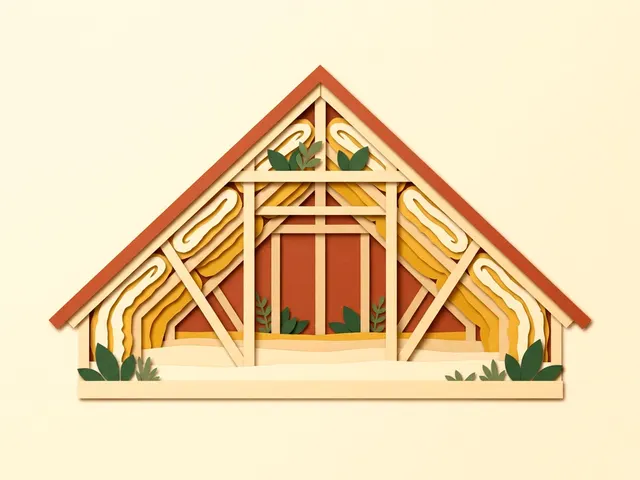
Finding sustainable insulation means checking a few practical details before you sign a contract. The best choice balances strong thermal performance with safe ingredients and a low environmental impact. You can evaluate any material by looking at its resistance to heat flow and how it is made.
Why thermal resistance comes before green claims
The wind finds a way through old timber frames. A drafty room feels cold even with the heater running constantly. The R-value measures the resistance to this heat flow. A higher number means better protection against the winter chill.
The EPA lists a higher R-value as the first consideration for greener insulation. An eco-friendly material fails if it leaves the house cold. The heater works overtime to compensate for a weak barrier. Wasting household energy works against the point of choosing a greener material.
An older house needs a strong defense against the weather. The attic floor might only have a thin layer of dusty fiberglass, and before you disturb any old insulation, ask a qualified professional to check it, since the EPA warns that some vermiculite insulation is contaminated with asbestos. Adding a high performance barrier helps slow the heat escaping into the roof.
You want the highest practical resistance for the space you have. Sometimes a wall cavity only offers limited depth. The material must pack enough resistance into that small gap. A thick layer of a weak insulator may not do the job.
Energy saved over the years is worth weighing against how a product is made. A good barrier can mean your furnace works less. Lowering your home energy demand starts with keeping the conditioned air inside.
A tight seal can lower utility bills. The right material helps keep the home comfortable through freezing nights.
Recycled content and where it matters
Old attics often swallow a huge volume of new material. Recycled content can mean fewer new raw materials go into the product. You can look for materials born from the recycling bin instead.
The EPA includes recycled content as a key trait of a greener choice. You should look closer at what that recycled material actually is.
Some cellulose insulation is made from recycled paper. Ask the manufacturer what a product contains and how it is treated.
Some fiberglass products contain recycled glass. Check the manufacturer's information to see what a product actually contains.
You can check the manufacturer specifications for the exact recycling percentage. A higher percentage means the factory extracted fewer raw resources. The packaging might tell you if the content is post-consumer waste. Consumer waste is the trash you put on the curb.
Industrial waste consists of unused scraps from a factory floor. Ask the manufacturer which type a product contains.
Toxic ingredients and off-gassing to ask about
The walls of an older home surround your living space closely. The materials stuffed behind the drywall affect the air your family breathes. Some insulation products contain chemicals worth asking about.
Some products contain chemical binders and potent fire retardants. These additives serve a purpose but can release gases over time. The process of off-gassing introduces volatile organic compounds into your rooms.
The EPA notes that fewer toxics and VOCs make an insulation greener. You want a product that keeps the indoor air clean and safe. A strong chemical smell after a renovation is worth raising with your installer or another qualified professional.
The health of your lungs matters just as much as your winter heating bill. A tight house traps warm air alongside any chemical vapors. Good indoor air quality requires careful choices about unseen building materials.
Natural fiber products can carry treatments too, so ask what is in them. You can request fiberglass options made with formaldehyde-free binders. The safety data sheets for a product can list the chemicals used.
The fine print shows exactly what holds the fibers together. Spotting misleading green claims helps you avoid harmful indoor pollution.
Embodied energy and sourcing in plain words
Every building product requires energy to manufacture and ship. The fuel burned to create a product represents its embodied energy. Some materials need extreme heat to melt rock or glass.
Other options require intensive chemical reactions to form expanding foam. The factory smokestacks release greenhouse gases long before the product arrives. A simpler production process may leave a smaller footprint.
The EPA points to low embodied energy and emissions as another green factor. Ask the maker how much energy a product takes to make.
Heavy industrial manufacturing can carry a larger environmental price upfront. The climate impact of the factory matters just as much as your home energy savings.
The journey to your house also burns diesel and oil. Shipping heavy bales over long distances burns fuel. The EPA includes responsible sourcing as a consideration for greener materials. A nearby factory can shorten the trucking distance.
You can ask a supplier where their product originates. Where a product comes from is worth asking about, since a nearby source may mean less transport.
What happens to the material when it comes out
Houses endure for decades but renovations happen regularly. A future owner might pull down a ceiling or open a wall. The eventual fate of the building material is a practical environmental detail.
The EPA highlights end-of-life options when defining a greener product. Some conventional foams and synthetic rolls may end up in a landfill.
Ask the manufacturer what recycling or disposal options exist for each material.
Recycling options vary by product, and removed insulation may not always be recyclable.
Check which options leave the least waste at the end of their life. The heavy dumpster outside a renovation project tells a grim story.
Sending less material to a landfill lightens your footprint. You can plan for disposal before a future owner has to. A truly sustainable house considers the end of the line.
Questions to ask an installer before you sign
Finding the right installer takes a bit of patience and clear communication. The contractor usually decides which brands and materials to supply. You must ask the right questions during the first site visit.

The answers will reveal if they understand sustainable building practices. You should ask these specific questions before you sign any contract.
- The total thermal resistance for the exact depth of the walls.
- Any formaldehyde or high levels of VOCs hiding in the specific product.
- The exact percentage of the material made from post-consumer recycled waste.
- The manufacturing location and the total distance the material must travel.
- The recycling or composting options if a future owner removes the material.
The installer might need to check with a supplier for exact details. A careful professional will respect your desire for a safe home. They can usually source alternative materials if you give them some time.
You might pay a small premium for healthier choices. The extra cost may pay off in cleaner air and lower energy use.
The walls of an older home hold real history and character. Keeping an old house intact reduces the waste of new construction. Adding better thermal protection helps preserve the structure for years to come.
The house can get a warmer winter and a cooler summer. The environment can benefit from reduced emissions and cleaner manufacturing. You get a comfortable home that aligns with your values.
Keep the good habits going

Why event shirts end up as textile waste and which ones last
Learn how to order event shirts people keep wearing for years, with the right sizes, sturdy fabric and a small design, so fewer end up as textile waste.

What a sustainable diet looks like on a normal grocery budget
A sustainable diet on an ordinary budget starts with throwing away less food, planning your meals better and storing fresh groceries correctly.

Can a ceiling fan for a small room cut your cooling bill
A ceiling fan in a small room cuts your cooling bill only if you raise the thermostat. Discover how ceiling fans for small rooms save energy year round.