What a minimalist living room keeps and what it leaves out
A minimalist living room keeps the comfortable furniture you use every day and leaves out the decorative clutter that only gathers dust.
Penned by Thea Ostrander

A minimalist living room strips away visual noise to leave only the things you use for comfort and rest. The space keeps supportive seating, quiet lighting and clear surfaces, and it leaves out excess furniture, tangled cords and decorative clutter.
Watch how you actually use the space
The couch often dictates how a room works. Sit quietly in the space for an afternoon and watch what happens. You might find you read in one specific chair, or you might realize nobody ever uses the loveseat.
Watch where a coffee cup naturally goes. See if the television actually gets turned on during the week. A side table makes sense if you set a drink there every night. That unused table in the corner just holds dust.
Remove anything that serves a fantasy version of your life. The stack of unread magazines can go straight into the recycling bin. A floor lamp stays only if you pull the chain to read under it. You want to figure out how much living space you actively use and ignore the rest.
Pay attention to the natural traffic paths across a floor. If you constantly bump your knee on a coffee table, the table is in the wrong place. Move the obstacles out of the way. A room feels larger the moment you can walk straight through it.
Choose seating for daily habits
Couches and chairs demand the most floor space. A good minimalist living room keeps the seating that supports your actual routine. You want a couch comfortable enough for an evening movie and sturdy enough to last. The frame should feel solid when you sit down.
Extra chairs often end up holding discarded sweaters. Move out any stiff armchair that looks nice but feels terrible to sit in. The room will breathe easier with empty space where that unused chair used to be.
Guest seating requires a practical approach. You do not need to keep four armchairs permanent in a circle just for a holiday visit. Keep folding chairs in a hall closet and bring them out for company. A pair of floor cushions can slide under a couch until a friend drops by.
The fabric on your seating should handle heavy use. Tight weaves often resist stains and pet hair better than delicate materials. Check the care label to see how the upholstery should be cleaned.
Clear the flat surfaces that catch clutter
Coffee tables and shelves act like magnets for random objects. Mail, keys and empty cups naturally migrate to the nearest flat spot. You edit a space by removing the objects that sit there without a purpose. A clear surface rests the eye.
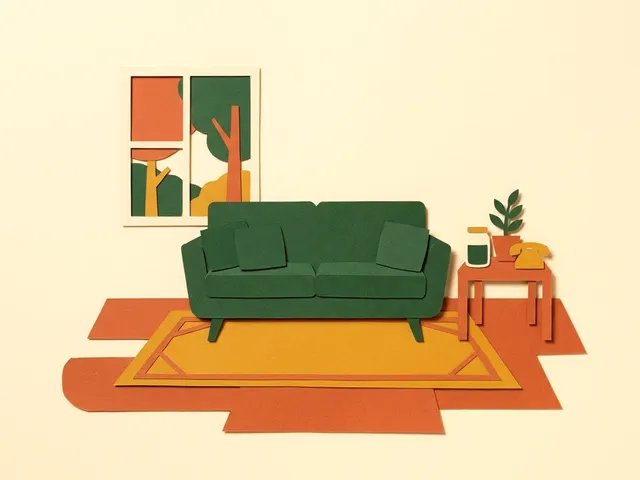
Clear off the top of every table and media console. Keep a coaster for your drink and maybe one book you are reading right now. Everything else needs a home in a drawer or a trip to the trash. Clearing these spots helps you stop a messy room from piling up again.
Shelves work best when they are not packed full. Give your books some room to stand without getting crammed tightly together. Leave entire sections of a shelf completely bare. The empty wood provides a visual break for tired eyes.
Mantels and windowsills gather a surprising amount of junk. A windowsill needs to stay bare so you can open the window and let in fresh air. A fireplace mantel looks best with one framed photograph or one small decoration. Clear these edges and watch how the whole room feels lighter.
Keep cords and controllers out of sight
A tangle of black wires ruins a quiet room. Television cords and phone chargers belong out of sight. You can strap them to the back of a table leg or run them through a basic plastic channel along the baseboard. Hiding the wires takes little time, and the calm result lasts.
The television console should hide the heavy equipment. Keep the internet router and gaming boxes behind closed doors, after checking each device's instructions for ventilation. Make an opening in the back of the cabinet to pass the wires through to the wall socket, and keep cords away from sharp edges. Wood and painted doors hide the flashing lights that distract you from a quiet evening.
Remote controls add a surprising amount of visual noise. A small wooden box on the coffee table hides them away completely. You still reach them easily, but the plastic buttons stop demanding your attention. A dedicated drawer in a side table works just as well.
Chargers deserve their own specific drawer. Pick one spot for power adapters and wrap the loose wires with a fabric tie. The room stays calm when glowing screens and tangled cords disappear. You protect your phone cord without leaving it draped over the furniture.
Bring in warmth with heavy fabrics and a plant
A room stripped of excess can easily feel cold. The space needs natural textures to soften the hard edges of bare walls and empty tables. You bring warmth back in through touch rather than through more objects.
A thick wool blanket draped over the couch adds comfort on a cold evening. Cotton pillows give your back support while breaking up the flat color of the upholstery. Choose heavy fabrics that feel good against your skin. Follow the care label so they stay soft.
Keep the pillows to a sensible number. A few pillows provide comfort, while a heap of them ends up on the floor. If you spend a long while arranging cushions before you can sit down, you have too many cushions.
Houseplants breathe life into a quiet corner. A single rubber tree or a snake plant gives the eye something organic to follow. The green leaves break up the straight lines of the room. Plants require care, which keeps you grounded in the physical space.
Stick to one or two healthy plants, and check that each one is safe for pets if you have them. A massive indoor jungle requires heavy maintenance and creates a cluttered look. A single thriving plant in a simple clay pot holds the room together. Wipe the dust off the leaves from time to time to keep the plant healthy.
Let the light shape the space
Light takes up no physical room but changes everything about how a living room feels. A good minimalist setup maximizes natural sunlight and keeps the evening lamps low and warm. You do not need decorative statues when the afternoon sun casts long shadows across a bare floor.
Leave the windows as bare as privacy allows. Heavy drapes block the light and collect dust. A simple roller shade or a light linen curtain provides cover at night without overwhelming the wall during the day. Open the blinds completely every morning to wake the room up.
Overhead lights often feel harsh and clinical. Rely on floor lamps and table lamps instead. A lamp shining softly in the corner draws you in and makes a large room feel cozy. Choose simple metal or ceramic bases that fade into the background.
Avoid lampshades with complicated folds or busy patterns. A plain white or cream drum shade softens the bulb and directs the light right where you need it. Dusting a smooth shade takes only seconds. The fixtures should serve the light, not compete for your attention.
Keep a clear floor for easy movement
A bare floor gives a living room its breathing room. When you can see the baseboards running uninterrupted along the wall, the space feels instantly larger. You want to remove anything sitting on the floor that does not qualify as essential furniture.
Baskets of toys or magazines block the corners and trap dirt. Move those items into a closed cabinet or clear them out entirely. Potted plants should sit on a simple stand rather than directly on the wood. Even a small gap between an object and the floor creates a sense of lightness.
Rugs anchor the seating area and warm up cold boards. Choose a low-pile rug that spans the distance between the couch and the main chairs. A flat weave often traps less dirt and vacuums clean easily. You want a rug that feels solid underfoot without shedding fibers everywhere.
Pet beds can quickly take over a minimalist space. Pick one comfortable bed for your dog or cat and place it out of the main walkway. Wash the cover regularly to keep the room smelling fresh.
Protect the room with a firm replacement rule
Empty space fills up again if you drop your guard. A strict replacement rule keeps the living room from creeping back toward chaos. You commit to removing one old item for every new piece you bring through the door. This protects the hard work you just did.
A new blanket means an old blanket goes to someone who can use it. A fresh stack of library books means the previous stack goes back. The strict limit forces you to consider if the new object adds enough value to replace an old favorite. You stop buying things out of boredom.
This habit changes how you view a store window. You stop picking up random decorative pieces because you know they demand a sacrifice at home. The rule turns mindless shopping into an intentional choice. This practice helps you make buying less a habit that protects your bank account.
Spend a few minutes every night putting the room back to its resting state. Fold the blanket, stack the remote control in its box and take your empty mug to the kitchen sink. A morning feels much better when you walk into a tidy, quiet space.
Hold the line a little each week and the room stays a place to rest.
Keep the good habits going

8 ways to start living green when you rent an apartment
Living green in a rental apartment is easy when you focus on small, removable changes that save water, energy and waste without needing any renovations.

How to stop a messy room from coming back
Stop a messy room from coming back by changing your daily habits, spotting drop zones and bringing less stuff into the space to begin with.

How much living space does one person really need
Find out how much living space you actually need to build a comfortable routine. Match your daily habits to the right apartment size and cut out waste.