How to recycle right so less of it ends up in a landfill
Sustainable recycling means knowing exactly what your local facility accepts and keeping food, plastic bags and hazards out of your household bin.
Penned by Maren Kolbeck
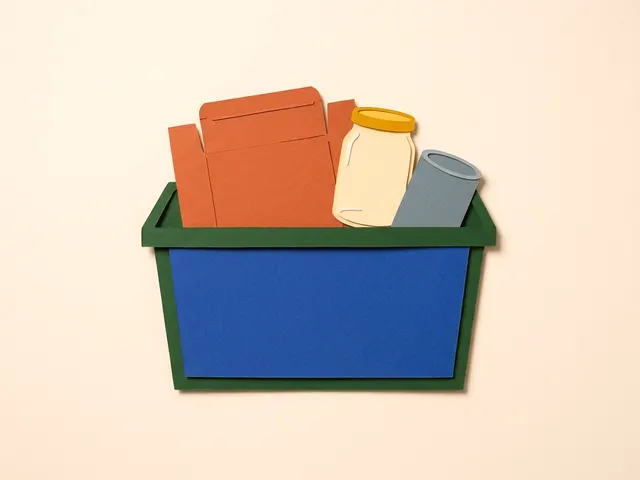
Sustainable recycling starts with knowing exactly what your city accepts and putting only those specific items in your bin. A clean bin free of loose plastic bags, food waste and hidden hazards ensures your cardboard and glass actually get processed instead of sent to a landfill.
Local rules dictate what goes in the bin
Cities and counties sell their collected materials to different commercial buyers, and facilities use different heavy sorting machines. A plastic tub accepted in one town might be rejected in a neighboring town. You might read general advice online about taking particular plastics or cartons. The only list that matters is the one published by your local waste management department.
Many residential areas use single-stream collection where all approved items go into one container. This setup makes things easy at home but requires precise mechanical sorting at the plant. Unapproved items slow the line down and raise costs for the city. Find the official city website and print the exact list of approved items for your neighborhood.
Tape the printed list to the inside of a cabinet door near your kitchen trash can. The Environmental Protection Agency notes that items like shredded paper are accepted in some programs but rejected in others. Sticking strictly to the allowed list prevents entire truckloads of good materials from being rejected and dumped.
Containers need to be rinsed but not spotless
Washing household waste feels completely counterproductive. You do not need to scrub a peanut butter jar with hot soapy water or run empty cans through a dishwasher. Using gallons of hot water wastes energy and defeats the environmental purpose of the chore. The goal is just to remove the physical food so it does not rot or ruin dry paper products inside the truck.
A dirty jar ruins the clean cardboard stacked next to it. Containers contaminated with food cannot be recycled. The Environmental Protection Agency states that containers only need to be spatula clean. A quick scrape with a silicone spatula removes thick leftovers like mayonnaise or frosting.
A splash of water takes care of thin liquids. Rinse milk jugs, soda cans and soup cans with a little cold water from the faucet. Swirl the water around, pour it down the drain and shake out the remaining drops. Drop the empty container directly into your bin.
Leave most labels on but separate metal lids
You can save an afternoon of tedious work by skipping the peeling of paper labels. Soup cans, beer bottles and plastic jugs usually come with paper or plastic sleeves glued to the side. The processing plants clean and melt the raw materials, and labels usually come off in that process, so you should focus your effort on the lids instead.
Plastic caps can usually stay on plastic bottles, according to the Environmental Protection Agency. The bottle and the cap often consist of different types of plastic that the facility separates using large water baths. One type of plastic floats to the top while the other sinks to the bottom.
Glass jars need a totally different approach, and metal caps should be recycled separately from glass bottles. Take the metal lid off your pasta sauce jar and recycle it separately if your local program accepts metal lids.
Greasy pizza boxes belong in the recycling
People often throw empty pizza boxes in the regular trash because they see oil stains on the bottom. Cardboard fibers actually handle a little grease just fine during the heavy pulping process. The real problem is the actual food left inside the box.
You can put pizza boxes in the recycling even with grease on them once food scraps are removed and the box is flattened. Open the box and take out the leftover crusts, the wax paper liner and the little plastic table. Scrape off any baked cheese stuck to the cardboard with your spatula.
Flatten the clean box completely so it takes up less space in your bin and on the collection truck. If baked food is stuck to part of the box, tear that part off and throw it in the trash. Recycle the rest. You can handle normal shipping boxes the same way by flattening them and leaving the standard packing tape attached.
Paper cups and soup cartons require special rules
Paper coffee cups and broth cartons often trick well-meaning people. A disposable coffee cup feels just like ordinary paper. Broth and milk cartons look exactly like standard cardboard boxes. These containers actually hold a hidden layer of plastic or foil pressed right into the paper to keep the liquid from leaking out.
Standard paper mills cannot process that waterproof lining. So the rules vary from one town to the next.
Throw paper coffee cups and soup cartons in the regular trash unless your city explicitly lists them on the approved chart. The plastic lids on coffee cups often go in the trash as well, so check your list. Stick to the basic glass, metal and plain cardboard unless you know your local facility handles mixed cartons.
Keep loose plastic bags out of the bin
Flimsy plastic bags cause costly problems at sorting facilities. Thin plastic wraps tightly around the spinning gears and mechanical screens. This can force a plant to shut down while workers climb onto the machines and cut the tangles away by hand.
Never put your collected recyclables inside a garbage bag. Keep all the items loose in your curbside bin. Loose grocery bags also blow away out of the truck and litter streets on windy pickup days. Plastic bags are recyclable but cannot go in household recycling bins.
Many grocery and retail stores collect them instead, usually in a tall collection box near the front doors of your local supermarket. Save your thin grocery bags and similar clean plastic bags in one place at home, and check what the store collection box accepts. When you gather a full bundle, take it with you on your next grocery run. Doing this is one of the best ways to cut packaging waste out of your weekly routine.
Dangerous items that ruin the whole process
Throwing a questionable item in the bin and hoping it gets recycled is a bad habit known as wish-cycling. This puts workers at risk and slows down the heavy machinery. Some common household goods pose serious physical dangers to the sorting crew and the plant itself.
Lithium batteries from modern electronics can start fires when crushed by garbage trucks or loaders. You must take old phones, rechargeable devices and loose batteries to a battery drop-off site or a household hazardous waste collection point. To handle dead technology safely, recycle old phones and laptops right through a dedicated electronics recycler. Do not put batteries in your curbside bin.
Scrap metal like heavy frying pans, wire hangers or automotive parts can damage the sorting equipment. Garden hoses, electrical extension cords and old clothing act just like thin plastic bags because they wrap tightly around the automated belts. Throw unwanted clothing in a local donation box or a fabric recycling bin. Put rubber hoses and frayed cords in the regular trash if they cannot be repaired.
Set up a practical sorting station at home
Good habits depend on basic convenience. You are far less likely to sort things properly if the designated bin sits outside in a dark garage. Bring the sorting process directly into the rooms where you actually generate the waste.
Put a medium container for clean paper, glass and plastic right next to your kitchen trash can. Rinsed items go straight in without carrying them across the house. Keep a small canvas bag hanging on the pantry door to gather thin plastic wraps and grocery bags. You can grab the canvas bag on your way out to the supermarket.
Bathrooms generate plenty of empty shampoo bottles and cardboard toilet paper tubes. Tuck a small basket under the sink so you can capture those materials easily instead of throwing them in the bathroom trash. You will find that keeping separate bins makes it much simpler to practice sustainable living habits throughout the week.
Keep the good habits going
Which materials are most sustainable for everyday things you buy
Learn which sustainable materials make sense for everyday household items and find out why the greenest option is usually the one you already own.
9 greenwashing examples and how to spot them on a label
Learn how to spot common greenwashing examples on everyday product labels and discover practical ways to make genuinely sustainable choices at the store.
8 ways to cut packaging waste from your weekly groceries
Finding sustainable packaging at the grocery store takes a little practice. Learn eight ways to cut waste and bring home less plastic every time you shop.