8 ways to cut packaging waste from your weekly groceries
Finding sustainable packaging at the grocery store takes a little practice. Learn eight ways to cut waste and bring home less plastic every time you shop.
Penned by Maren Kolbeck
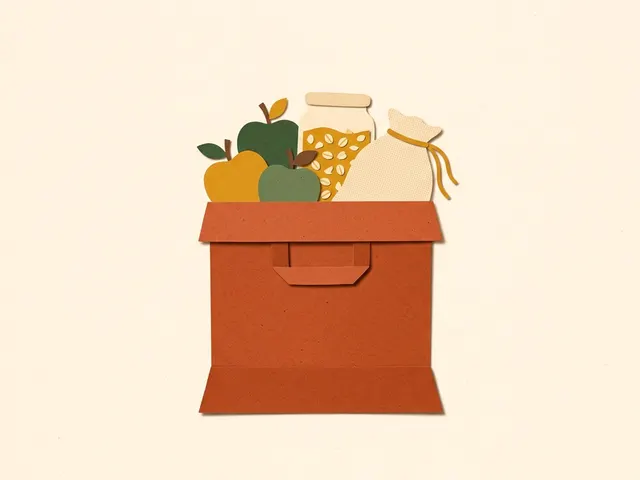
Bringing home less trash comes down to skipping single-use items and choosing materials that actually get recycled. A few simple swaps reduce the bins you fill each week, so you save time on trash day and leave fewer resources sitting in a landfill. The boxes and wrappers pile up fast in a busy kitchen, but taking a few minutes to rethink your shopping list changes what enters your home.
1. Understand how much household trash is packaging
Containers and packaging made up 82.2 million tons, or 28.1 percent, of municipal solid waste generated in the United States in 2018, which is the latest year of EPA national data. A large part of that waste comes directly from the grocery store. The total recycling rate for those containers and packaging was 53.9 percent in 2018. Much of the rest goes to the landfill or an incinerator.
Small changes cut the volume of waste coming through the front door, and choosing sustainable packaging is a good place to start. The kitchen trash can stays empty longer, and you spend less time hauling heavy bags out to the curb. Understanding what zero waste really means helps you set realistic expectations.
2. Pick paper and cardboard over plastic
Paper packaging beats plastic packaging for recycling rates by a huge margin. The recycling rate for paper and paperboard packaging was 80.9 percent in 2018, while only 13.6 percent of plastic containers and packaging generated in 2018 was recycled. Plastic clamshells and thin films are often not accepted in household recycling. Cardboard boxes break down easily at the recycling plant, and paper fibers can often be recycled again.
Look for pasta in cardboard boxes rather than plastic bags, and choose eggs in paper cartons instead of clear plastic or foam. The paper goes straight into your recycling bin, just as flour and sugar usually come in plain paper sacks. The thin plastic windows on some bakery boxes are a nuisance, so rip the plastic window out before you drop the box in the bin.
3. Bring your own bags, jars and produce bags
Reusable bags stop a lot of waste before it starts, and cloth grocery bags carry heavy cans and boxes without tearing. Small cotton or mesh bags hold loose apples and potatoes just as well as the flimsy green plastic tear-off bags. Glass jars work perfectly for dry goods and spices. A sealed jar can help keep pantry pests away from your baking supplies.
Keep a stash of clean jars and cloth bags in your car or by the door, because the trick is remembering to grab them. You might forget them the first few times, so leave the bags on the passenger seat to build the habit. Wash your cloth bags every few weeks, and remember clean jars need a quick run through the dishwasher before a shopping trip, since the preparation takes only a few minutes.
4. Shop the bulk aisle and the deli counter with your own containers
Bulk bins let you buy exactly the amount of rice, beans or oatmeal you need, letting you fill your own cloth bags or glass jars and skip the store packaging entirely. Weigh your empty container at the customer service desk first. The cashier deducts that tare weight at the register so you only pay for the food.
The deli counter offers another chance to avoid plastic clamshells, so ask the worker to slice your cheese and meat and wrap it in paper. Some stores let you hand over a clean glass container, depending on their food safety policy. Taking this step helps you save money over time on expensive pre-packed meals, meaning you get fresher food and leave the plastic trays behind.
5. Choose bigger sizes for things you use up fast
A single large container uses less material than several small ones holding the same amount of food, and big tubs of yogurt or giant boxes of cereal save trips to the trash can. You also usually pay less per ounce when you buy the larger size. The thick plastic tubs can often be reused for storage. They make excellent storage containers for leftovers or hardware supplies.
Portion the food into small bowls or reusable jars at home, since a large tub of plain yogurt can become several individual lunches. Add your own fruit or honey to change the flavor, which works well for items you eat every week. Avoid buying giant sizes of things that might spoil before you finish them, because throwing away spoiled food can waste more than the packaging does.
6. Pick loose produce over pre-packed trays
Many vegetables and fruits sit on foam trays wrapped in clear plastic film, but the foam and the film are often not accepted in household recycling. You can skip both by choosing loose produce from the open bins. Apples, peppers, onions and citrus fruits have their own tough natural skins and do not need plastic armor. Put them directly into your cart.
Grouping them in a reusable mesh bag keeps them from rolling around, and loose produce also lets you inspect every piece for bruises. You buy exactly three onions instead of a bag of five, so taking a few extra minutes in the produce section makes a big difference. Buying only what you need stops food waste in its tracks.
7. Buy concentrates and refills where your store offers them
Heavy bottles of liquid soap and spray cleaner can be costly to ship, and the thick plastic bottles pile up in the recycling bin. Concentrates offer a much lighter alternative, so look for small cardboard boxes of laundry powder or tiny bottles of concentrated dish soap that take up less shelf space. You add the water yourself at home. The small packages weigh much less and use less plastic.
Some grocery stores install refill stations for household cleaners and personal care items, letting you bring an empty spray bottle from home and fill it from a large dispenser. The store charges by weight or volume. Refilling the same bottle ten times saves nine heavy plastic bottles from the waste stream. The glass or heavy plastic bottle you reuse stays out of the landfill for years.
8. Flatten and sort what is left so it can be recycled
You will still bring home some packaging, but sorting the remaining boxes and cans helps your local facility do its job. Flatten all cardboard boxes completely, as a flat box leaves more room in the truck and can help the sorting machines. A sharp utility knife makes quick work of thick cardboard. Clean cardboard belongs in the bin.
Rinse food residue out of cans and jars, since about 31.3 percent of glass containers generated in 2018 were recycled, and clean glass has a better chance of making it through the system. Keep plastic film out of the bin and take it to a store drop-off instead, and scrape the food off pizza boxes, because EPA says grease alone is fine once the scraps are gone. Learning how to recycle right makes the effort worthwhile.
How to choose the best container material
Comparing materials helps you make better choices in the grocery aisles, and recycling rates point to paper and glass as better options than plastic. Glass jars wash easily and last for years in a normal kitchen. Paper recycles at a high rate, while thin plastic wrappers usually cannot go in household recycling.
Plastic trails far behind paper and glass in the United States.
Material | 2018 Recycling Rate |
|---|---|
Paper and paperboard | 80.9 percent |
Glass containers | 31.3 percent |
Plastic containers and packaging | 13.6 percent |
Choose paper bags over plastic bags at checkout and pick pasta in boxes instead of bags.
Keep the good habits going
Which materials are most sustainable for everyday things you buy
Learn which sustainable materials make sense for everyday household items and find out why the greenest option is usually the one you already own.
How to recycle right so less of it ends up in a landfill
Sustainable recycling means knowing exactly what your local facility accepts and keeping food, plastic bags and hazards out of your household bin.
9 greenwashing examples and how to spot them on a label
Learn how to spot common greenwashing examples on everyday product labels and discover practical ways to make genuinely sustainable choices at the store.