11 zero waste kitchen swaps that save money over time
Practical zero waste solutions for your kitchen lower your grocery bills and cut daily trash. Discover 11 simple swaps that save you money over time.
Penned by Maren Kolbeck
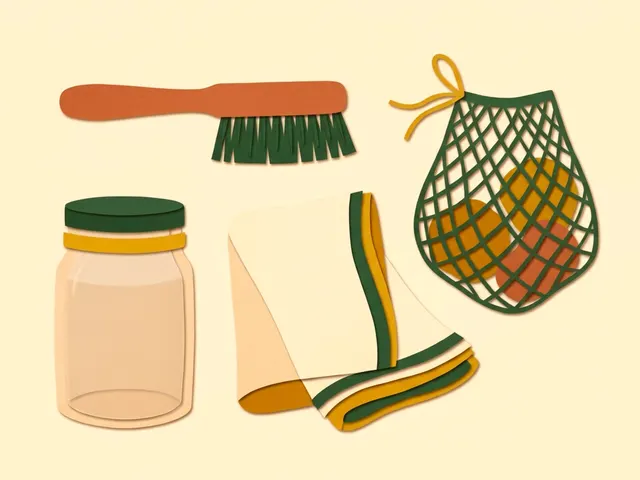
Swapping disposable kitchen items for reusable ones cuts household trash and lowers your grocery bill. The most effective sustainable living habits replace things you buy over and over, from paper towels to plastic wrap. You can start these routines gradually. Pick the easiest changes first and add new ones as your old supplies run out.
1. Keep using what you already own
The urge to throw away older plastic containers and start fresh is strong. Do not throw away half a roll of plastic wrap or a stack of paper napkins just to buy a green alternative. Discarding perfectly good items creates unnecessary trash.
The most sustainable choice is often the one you already made. Keep using your plastic zip bags until they tear. Wash them in cool soapy water and dry them over a wooden spoon. Finish your aluminum foil.
Buying less stuff creates room for better routines without spending money. Organize your cabinets so you can easily see the disposable items you need to use up before you buy replacements.
2. Plan meals so less food goes in the trash
Food makes up a huge part of everyday household waste. The EPA says one third of all food in the United States goes uneaten. You can lower this by checking your fridge before you shop. Plan meals around what needs eating first.
Keep an eat soon bin on the middle shelf. You will spot older items instantly when you open the door. Build your weekly grocery list based strictly on the missing ingredients for your planned meals.
Throwing away food directly wastes your money. The EPA estimates an average family of four spends almost $3,000 a year on food that does not get eaten. Buying only what you can finish keeps good food out of the garbage and cash in your pocket.
3. Freeze leftovers and fresh ingredients before they spoil
Your freezer acts as a pause button for a zero waste lifestyle. Blend extra fresh spinach with water and freeze the mixture in cubes for smoothies. Slice extra bread and freeze it to toast single pieces as needed.
The EPA says a family of four could save up to $56 a week by throwing away less food. Catching food before it wilts is the easiest way to keep those dollars.
Store your frozen portions in freezer-safe glass jars or silicone bags. Liquid expands as it turns to ice. Leave an inch of space at the top of a jar before you freeze soup or broth. The expanding liquid can crack the glass if you fill it to the brim.
4. Swap paper towels for simple cloth rags
Paper towels cost money every month. They head straight to the garbage after a few seconds of use. You can replace them entirely with scrap cloth. Old shirts and worn bath towels work well for wiping counters and cleaning up spills.

Cut your old towels into squares. Fold them neatly in a drawer so they look tidy and are easy to grab. Keep a small open basket under the kitchen sink for the dirty ones.
Wash the rags with your regular laundry routine once a week. You never run out of something to wipe up a mess. You stop spending money on heavy packs of paper products.
5. Store food in empty glass jars
You do not need to buy matching containers to store food safely. Glass jars from pasta sauce and pickles make excellent free storage. Wash them out in hot water. Peel off the labels and keep the metal lids.
Jars let you see exactly what you have in the fridge. This clear view makes you much more likely to eat your leftovers before they spoil. They also seal tightly.
A chopped onion stays much fresher in a jar than wrapped in a loose sheet of foil. Standardizing your collection around pint and quart sizes makes it easy to stack them on narrow shelves.
6. Cover bowls with plates or reusable wraps
Plastic wrap is usually not accepted in household recycling bins. It tears easily and tangles in the trash. Instead of wrapping a bowl of dough in plastic, use items you already own. A simple ceramic plate set upside down over a bowl works perfectly in the fridge.
For items that need a tight seal, beeswax wraps offer a flexible alternative. You warm the coated cotton cloth with your hands. Mold it over a bowl or around half a lemon.
Wash the wrap in cool water with mild soap. Hot water melts the wax, so keep it away from the dishwasher. You can reuse a good wrap many times until it loses its grip.
7. Bring cloth bags for fresh produce
Thin plastic bags at the grocery store rip open easily. They often end up in the trash as soon as you unpack your groceries. Bring lightweight mesh bags for apples and green beans.
Keep them stashed inside your large grocery totes in your car so you remember them at the store. If you forget them, you can put most thick-skinned fruits directly in your cart. You always wash produce at home before you eat it anyway.
Cutting packaging waste starts with leaving those flimsy plastic bags behind. Cashiers can easily scan the sticker barcodes right through a mesh bag.
8. Shop the bulk bins with your own containers
Buying oats and beans from bulk bins eliminates cardboard boxes. Some local grocery stores let you bring your own glass jars to fill, so ask about the store policy first. You get the empty container weighed at the customer service desk first. Write that tare weight on the bottom of the jar with a wax pencil.
The cashier deducts that weight at the register. You only pay for the food inside. This habit can save money because you avoid paying for packaging.
You can buy a tiny pinch of an expensive spice or ten pounds of flour. You get exactly what your recipe requires without any leftover waste.
9. Wash pots with a wooden scrub brush
Plastic sponges get smelly quickly. They can shed tiny bits of plastic down the kitchen drain as they wear. A wooden dish brush with plant-based bristles cleans better and lasts much longer.
You can scrub baked-on food easily without scratching your cast iron pans or baking sheets. Keep the wooden handle dry between uses so the wood does not crack. Rest it bristle-side down on the edge of the sink.
When the bristles finally wear flat and soft, you only need to replace the brush head. The wooden handle stays in your kitchen for years. If the bristles are plant-based and untreated, the old head can often go into a compost pile.
10. Switch to refillable dish soap or a solid bar
Liquid dish soap typically comes in a thick plastic bottle. You empty and replace it every month. You can buy soap in bulk and refill a single glass pump bottle instead.
Many local zero waste shops let you bring your own empty bottle. You pay by the fluid ounce. A solid block of dish soap provides another simple cleaning option.
Place the block on a wooden soap saver beside the sink to keep it dry. Rub a wet cloth or your wooden brush directly on the soap and wash your dishes as usual. One solid block can last a long time compared with liquid soap.
11. Start a scrap bin for organic waste
Even when you eat your leftovers, you still generate food waste. Banana peels, eggshells and coffee grounds add up quickly. The EPA estimates about 96 percent of the food households wasted in 2019 went to landfills, combustion facilities or sewers, and the rest was composted.
Keep a metal or ceramic bin to collect these scraps. You can empty it into a backyard pile or drop it off at a local community garden. Composting returns nutrients to the soil instead of sealing them in an airtight landfill.
Keep your scrap bin in the freezer during the summer. Freezing the scraps cuts down on smells and helps keep fruit flies out of your kitchen.
Upfront costs and the timeline for savings
Some sustainable kitchen habits require a small purchase. Others cost nothing. The EPA ranks source reduction and reuse as the most preferred way to manage waste, ahead of recycling and composting.
Reusing things you already have keeps trash out of the bin and often saves you money right away. Washing empty salsa jars will not cost you a dime. Checking your fridge to plan your meals keeps money in your bank account this week. These free routines are the best places to begin.
Things like beeswax wraps and wooden dish brushes require spending a little money upfront. You recoup that cost by skipping the disposable versions over the next few months. Buy these tools slowly. Replace disposable items only as they run out completely.
Keep the good habits going
Which materials are most sustainable for everyday things you buy
Learn which sustainable materials make sense for everyday household items and find out why the greenest option is usually the one you already own.
How to recycle right so less of it ends up in a landfill
Sustainable recycling means knowing exactly what your local facility accepts and keeping food, plastic bags and hazards out of your household bin.
9 greenwashing examples and how to spot them on a label
Learn how to spot common greenwashing examples on everyday product labels and discover practical ways to make genuinely sustainable choices at the store.