Where your curbside trash goes and how to send less of it
Learn what happens to your garbage after pickup and how small household habits make sustainable waste management a normal part of your weekly routine.
Penned by Maren Kolbeck
The garbage truck takes your curbside trash to a transfer station, where machines pack the bags tight before heavy trucks haul them to a landfill or an incinerator. You can send less to these facilities by sorting out food scraps and rethinking your grocery habits. A few simple shifts make sustainable waste management a normal part of your week.
The journey from your curb to the landfill
You roll the heavy bin to the edge of the street. The automated collection truck arrives a few hours later. A mechanical arm grabs the plastic bin and dumps the contents into a metal hopper.
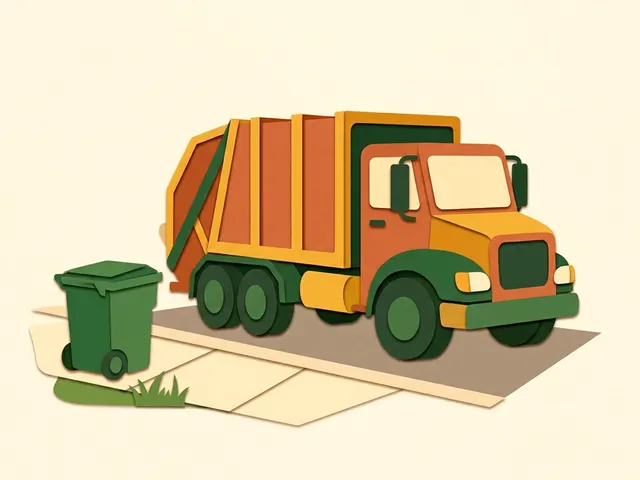
A hydraulic blade crushes the bags to make room for more. The truck repeats this process down every street in your neighborhood. A full truck then drives to a local transfer station.
The transfer station is a concrete warehouse with a massive tipping floor. Garbage trucks back through large doors and dump their loads onto the ground. The large pile smells of sour milk and damp paper.
Front-end loaders scoop the trash and drop it into a heavy compactor. The machine forces the loose trash into long hauling trailers. One trailer holds the compacted waste of several local collection trucks.
The long trailer drives out of the city to a regional landfill. The driver backs up to the active face of the landfill. The active face is the specific section taking fresh trash that day. The trailer pushes the compacted waste out onto the dirt ground.
Heavy machines called compactors drive over the fresh pile. Their heavy steel wheels feature thick metal spikes. The spikes tear open plastic bags and crush the contents.
The machines drive back and forth to pack the trash into a dense, flat layer. Operators cover the exposed trash with dirt or a thick tarp on a regular schedule. The cover layer keeps pests away and stops loose plastic from blowing into nearby trees.
Daily waste in an average household
Trash adds up fast when you toss things without a second thought. You toss an empty cereal box, a broken toy and a handful of junk mail. The weight seems small until you look at the national numbers.
The Environmental Protection Agency tracks these figures. As of EPA data through calendar year 2018, Americans generated 292.4 million tons of municipal solid waste, about 4.9 pounds per person per day.
The weekly total grows quickly. The bins sitting at your curb hold a massive amount of material over a year.
Most of that weight comes from everyday convenience. A heavy mail day brings paper catalogs and plastic window envelopes. Cooking dinner leaves vegetable scraps and plastic wrapping on the kitchen counter.
Cardboard boxes from online orders fill up the blue recycling bin. A lighter life starts with knowing exactly what sits inside those plastic bags.
Comparing your local waste options
Your household waste ends up in different streams based on how you sort it. The final destination also depends on the services your local government provides. Each option handles the waste in a specific way.
Landfills remain the most common destination for a household garbage bag. A landfill isolates waste from the surrounding environment. Heavy dirt layers block air and sunlight from reaching the trash. Organic things like apple cores break down very slowly in the dark.
Some cities send the gray bin to an incinerator instead. Burning for energy reduces the volume of the waste. The extreme heat turns water into steam.
The steam spins a large turbine to generate electricity. Scrubbers clean the exhaust smoke, and the heavy ash goes to a landfill.
Recycling recovers raw materials to make new things. A sorting facility uses fast conveyor belts, magnets and optical scanners. The machines separate paper, glass, metal and plastic. Buyers melt or pulp these sorted materials to form new packaging.
Composting turns organic matter into rich soil. Microbes break down food scraps and yard trimmings over time. The natural process requires oxygen and moisture. Commercial compost facilities run at high temperatures to process large volumes of material quickly.
The EPA tracks how much waste goes to each destination. In the same 2018 data, about 32.1 percent of municipal solid waste was recycled or composted and about 50 percent was landfilled. The remainder went to other disposal methods like incineration.
Waste destination | Percentage in 2018 data |
|---|---|
Landfilled | About 50 percent |
Recycled or composted | About 32.1 percent |
Shrinking your household trash output
The kitchen bin holds the heaviest materials in your home. Food scraps make up a large portion of daily household waste. Wet coffee grounds and melon rinds weigh down the trash bag. These organic materials take up space and rot inside plastic bags.
You can shrink this load by keeping organic matter out of the landfill bin. A countertop compost pail catches the daily scraps. You can empty the pail at a community drop-off site or a local farmer's market. Some cities even collect compost at the curb.
Setting up a kitchen compost station requires a few basic supplies.
- A stainless steel or ceramic container with a tight lid for the countertop
- A charcoal filter to place inside the lid to block sour smells
- A large bucket with a screw-on lid for the porch or garage
- A roll of compostable bags if your city requires them for curbside pickup
A small backyard compost pile handles vegetable scraps perfectly. You keep the heavy, wet material out of the garbage truck entirely. You can also use these scraps for gardening with less waste.
Packaging is the second heavy contributor. Plastic clamshells and cardboard shipping boxes fill up the bins by Thursday. You can cut packaging waste by choosing loose produce. A simple swap is buying oats or rice from a bulk bin using your own cotton bags.
Single-use items pad out the trash bag. Paper towels, plastic wrap and disposable wipes seem small at first. They pile up over the course of the week.
Swap paper towels for old cotton rags. Wash the rags with your regular laundry. Cover leftover bowls with a plate instead of plastic wrap.
A five-minute bin check for the week
A weekly bin check helps you catch sorting mistakes. You only need five minutes before dragging the trash to the curb. The night before collection day offers a quiet moment to review what you throw away.
Look inside the main trash bag. Notice what takes up the most space. You might see a lot of food packaging from takeout meals.
You might spot glossy mailers or discarded clothing. Making a mental note helps you change your habits at the store.
A weekly bin check requires a few specific actions on trash night.
- Pull out plastic grocery bags and thin films from the recycling bin
- Move empty shampoo bottles and cardboard tubes from the bathroom to the recycling bin
- Rinse out any sticky glass jars or metal cans left on the kitchen counter
- Make a mental note of spoiled food in the trash to adjust next week's grocery list
Make sure you only put accepted items inside the blue bin. Rinse out sticky jars and empty soda cans. A dirty jar can contaminate clean paper at the sorting facility. Taking a moment at the sink helps you recycle items right.
Pull out any tangled materials. Plastic grocery bags and thin shipping films often do not belong in the curbside recycling bin, so check your local rules. The thin plastic wraps around the heavy spinning gears at the sorting facility. Take plastic bags to a store drop-off box if one is near you.
Check the bathroom wastebaskets. The bathroom bin often hides empty shampoo bottles or toilet paper tubes. People forget to recycle items outside the kitchen. Carry these clean plastics and cardboard tubes to the main recycling bin.
You buy differently when you know you have to deal with the packaging later. The empty plastic shell looks less appealing on the store shelf.
Keep the good habits going
How to keep a bath, worktop or floor instead of ripping it out
Find out how to repair instead of replace a bath, worktop or floor to cut waste, save useful materials and avoid the heavy disruption of a full refit.
Which materials are most sustainable for everyday things you buy
Learn which sustainable materials make sense for everyday household items and find out why the greenest option is usually the one you already own.
How to recycle right so less of it ends up in a landfill
Sustainable recycling means knowing exactly what your local facility accepts and keeping food, plastic bags and hazards out of your household bin.