Gardening with less waste using what you already throw out
Learn sustainable gardening basics by turning everyday household scraps, reused containers and saved rain water into a healthier yard with less waste.
Penned by Maren Kolbeck
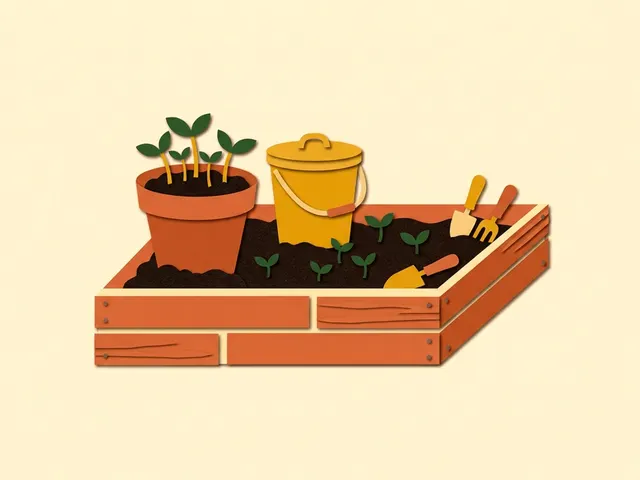
You can build a healthy yard by repurposing things you already own instead of buying expensive supplies. Sustainable gardening turns empty containers, kitchen scraps and leftover seeds into everything a new plant needs to grow. It keeps usable materials out of the trash and saves you money.
Start with containers you already own
Most plants do not care what kind of pot they live in. An empty yogurt tub holds soil just as well as a ceramic planter from a garden center. You only need to wash the plastic and poke a few drainage holes in the bottom.
The trash often fills up with items that make excellent planters. You can grow herbs in old coffee cans. Large plastic clamshells from the grocery store act like tiny greenhouses for young seedlings. A bakery bucket holds a tomato plant beautifully once you drill drainage holes in the base.
Starting seeds requires very little space. You can use empty toilet paper rolls to start your vegetables by folding the bottom edges inward to create a dirt cup. The cardboard breaks down in the ground later. You can bury the entire roll directly in the garden bed without disturbing the young roots.
Old metal wash tubs and wooden crates make excellent homes for root vegetables. You can line a wooden crate with newspaper to stop dirt from spilling through the cracks. Even an old kitchen drawer can hold shallow-rooted plants like lettuce and radishes. You just need to ensure the wood has no toxic paint on it.
Any vessel that holds dirt and lets water drain will work for a garden.
Turn kitchen scraps into compost for the soil
Healthy soil requires organic matter to feed the plants. Garden centers sell thick plastic bags of fertilizer and topsoil to do this job. You can skip those bags by making your own compost at home. A compost pile turns ordinary yard waste and food scraps into a rich, dark earth.
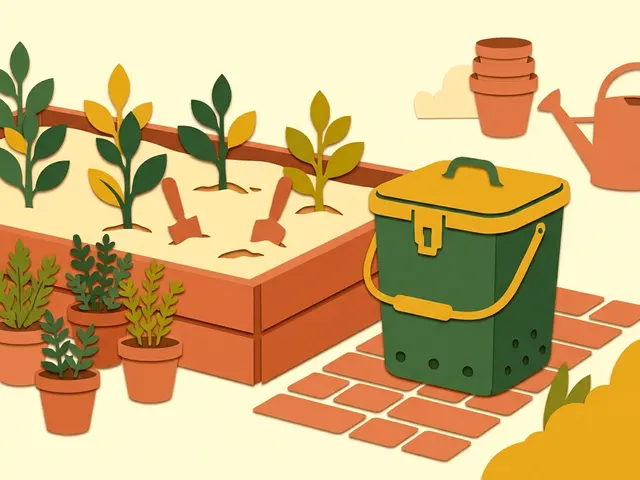
The process happens naturally when you pile the right materials together. Microbes and earthworms eat the decaying food. They leave behind a natural fertilizer that builds strong plant roots. It costs little to start and requires little active work.
You can build a simple bin in a shady corner of your yard. A ring of wire mesh works well. You can also nail a few scrap wood pallets together to form a box. A contained pile looks tidy and helps keep neighborhood animals out.
You add scraps to the top of the pile as you cook. You can keep a small metal bucket on your kitchen counter to collect the daily scraps. This makes sending less household trash to the curb an easy habit. When the bucket fills up, you walk it out to the yard and dump it in the bin.
A compost pile needs air to do its job, so you should turn it from time to time with a shovel or pitchfork. This moves the dry outside layers into the warm center. The pile should feel like a damp sponge. If it gets too dry during the summer, you can spray it lightly with a garden hose.
What belongs in a home compost pile and what does not
A healthy pile relies on a balance of wet and dry materials. The EPA says backyard composting suits fruit and vegetable scraps, coffee grounds, crushed eggshells, leaves and shredded non-glossy paper, but not meat, fish, dairy or pet waste.
The wet materials break down quickly and provide nitrogen. Apple cores, carrot peels and coffee grounds keep the pile active. You should crush eggshells in your hand before dropping them in.
The dry materials add carbon and stop the pile from turning into a slimy mess. Dried leaves from the yard work perfectly. You can also mix in shredded non-glossy paper from your office. Cardboard egg cartons and brown paper grocery bags rip apart easily for the pile.
You must keep animal products out of your backyard bin. Backyard piles often do not get hot enough to break down meat, fish and dairy. Pet waste does not belong in the pile either. Put those items in your regular trash instead.
Use finished compost to feed beds and pots
A compost pile slowly shrinks as the materials break down. The finished product collects at the bottom of the bin. It looks and feels like dark, crumbly dirt. You will know it is ready when it smells like a forest floor and you cannot recognize the original food scraps.
You can move this rich material straight to your garden. The EPA advises mixing 2 to 4 inches of compost into the top 6 to 9 inches of garden soil, or spreading a 3-inch layer as mulch.
Mixing the compost directly into the ground improves poor dirt. It helps loose, sandy soil hold onto water. It forces hard clay soil to loosen up and drain better. You can use a garden fork to blend it in before you plant your spring seeds.
Spreading a thick layer on top of the soil works best around established plants. This method blocks sunlight from reaching weed seeds. It also shades the ground to stop water from evaporating on hot afternoons.
You can also use compost to revive your potted plants. You scratch a handful of it into the surface of an old pot. The rain slowly washes nutrients down to the roots all season long.
Save seeds and cuttings instead of buying new plants
Buying new plants every spring adds up fast. The young plants arrive in thin plastic pots that often crack before you can reuse them. You can easily grow your own plants from the ones you already have.
Many common flowers and vegetables produce plenty of seeds. You can leave a few healthy plants in the yard at the end of the season. Marigolds and zinnias will dry out on the stem. You simply pull the dry flower heads apart and store the seeds in a paper envelope.
Vegetables hide their seeds inside the fruit. You can scrape the seeds out of a ripe pepper and spread them on a plate. They will dry out after a few days on the kitchen counter. You keep them in a dark closet until the ground thaws.
Some plants will grow an entirely new root system from a simple cutting. You can snip a healthy stem off a basil plant or a tomato vine. You remove the bottom leaves and place the stem in a glass of tap water. Small white roots will push out of the stem after a while.
You can also grow new food from the scraps on your cutting board. Green onions will regrow if you save the white root base and place it in a shallow glass of water on a sunny windowsill. Green shoots will appear in a few days. You can cut the green parts for cooking and let the roots keep growing.
A potato that sprouts eyes in the pantry can go directly into a deep bucket of soil. It will grow a leafy green top and produce a cluster of new potatoes underground. This method lets you grow food without buying seed potatoes.
Catch rain and kitchen rinse water for the beds
Plants need a lot of water during the summer months. Running the hose can run up your water bill. You can keep the yard green by catching free water that usually goes down the drain.
A rain barrel collects water straight from your roof when you place it directly under a gutter downspout. A heavy storm will put a good amount of fresh water in it. You can attach a short hose to the bottom spigot and let gravity water the garden. A mesh screen across the top keeps leaves and debris out.
You can also save clean water inside the house. You probably run the kitchen sink while you wait for the water to get hot. You can keep a plastic pitcher under the faucet to catch that clear water. You carry the full pitcher outside to water your container pots.
You can boil pasta or steam vegetables and save the leftover water in the pot. You let it cool completely on the stove. You pour this plain water over your garden beds instead of washing it down the drain.
A simple bucket in the shower catches cold water before you step in. Use only clear water that has no soap in it on your beds.
You can reduce the amount of water your garden needs by covering the bare dirt. A thick layer of grass clippings or dry leaves acts as a blanket over the soil. The blanket blocks the hot summer sun and traps the morning dew. Plants surrounded by organic cover often need water less often.
Keep the good habits going
How to keep a bath, worktop or floor instead of ripping it out
Find out how to repair instead of replace a bath, worktop or floor to cut waste, save useful materials and avoid the heavy disruption of a full refit.
Which materials are most sustainable for everyday things you buy
Learn which sustainable materials make sense for everyday household items and find out why the greenest option is usually the one you already own.
How to recycle right so less of it ends up in a landfill
Sustainable recycling means knowing exactly what your local facility accepts and keeping food, plastic bags and hazards out of your household bin.