Are reusable straws worth it and which kind suits you
Discover whether reusable straws fit your routine and compare every sustainable straw material to find the best option for your favorite daily drinks.
Penned by Maren Kolbeck
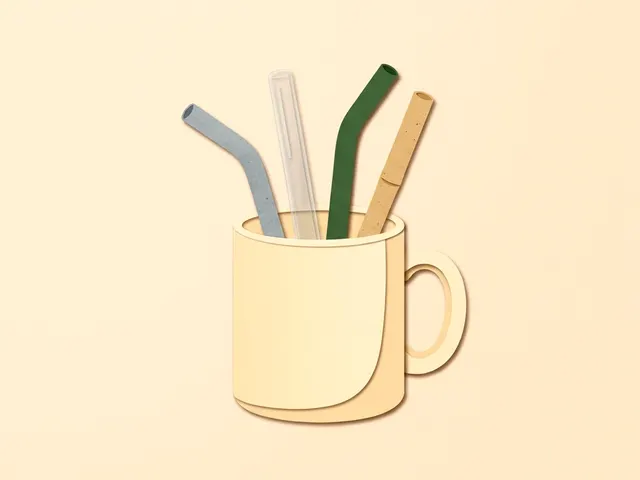
Reusable straws make sense if you drink on the go or prefer one at home. The best material depends on your chewing habits and temperature preferences. You can pick between metal, glass, silicone, bamboo, and paper. The right sustainable straw matches your daily routine.
When skipping the straw is the simplest swap
You do not always need a replacement for a disposable item. Often, the easiest approach is to drink straight from the cup. You can simply ask the server to skip the straw when you order a drink.
This requires no money. You leave with nothing to carry home.
Many coffee shops use lids designed for sipping cold drinks. You can refuse a straw and drink directly from the lid opening. Some people need a straw because of sensitive teeth or a physical need, and that is a fine reason to use one. A thick frozen drink also requires a straw.
Choosing to refuse a single use item builds a good habit. You practice speaking up politely at the counter. This small action serves as an easy zero waste kitchen swap that costs nothing.
If you do decide to buy a straw, the size matters. A standard narrow straw works perfectly for water and iced tea. The liquid flows up easily without requiring much suction.
Smoothie straws feature a wider opening. The extra width allows thick blends of frozen fruit to pass through easily.
Reusable straws also come in straight tubes or with a bend near the top. A straight straw works well in a tall tumbler. The straight design allows a cleaning brush to pass through smoothly.
A bent straw angles the liquid toward you. This shape feels comfortable when you sit at a desk. You simply lean forward slightly to catch the mouthpiece.
Stainless steel straws suit cold drinks and heavy use
Metal straws last a long time and survive rough handling. You can drop a stainless steel straw on a concrete sidewalk. You can crush it at the bottom of a heavy tote bag.
The metal will not snap. Steel offers a practical choice for your car or backpack.
Steel pulls the temperature from your drink very quickly. When you drop a metal straw into ice water, the metal turns ice cold. You will feel that sharp chill on your lips.
Many people love this sensation on a hot day. You should avoid metal for hot coffee. The steel will heat up and might burn your mouth.
Stainless steel remains completely rigid. You cannot bite down on it safely. If you chew on your straws, you can hurt your teeth.
A steel straw also clinks against a ceramic mug. The noise can become annoying in a quiet office.
Glass straws help you see they are completely clean
Glass offers a very smooth feel against your mouth. The surface feels exactly like a standard water glass. Glass does not transfer heat or cold as intensely as metal.
You can use a glass straw in hot tea. Your lips stay safe from sudden heat.
The clear material gives you a visual guarantee of cleanliness. You can look right through the tube. You will spot any stuck food bits immediately.
If a smoothie leaves a sticky film inside, you will see it.
You must handle glass with care. A glass straw will likely break if it falls onto a tile floor. Look for glass straws made from thick, heat-resistant glass.
You still need to treat it gently. Glass fits best for home use where you wash it carefully at the sink.
Silicone straws bend for kids and accessibility needs
Silicone bends, twists, and squishes easily. Kids often do better with a silicone straw because it gives when they bite down, but young children should still be supervised. The soft material is gentler on the mouth than a rigid straw if someone trips and falls.
Silicone stays at a neutral temperature. This makes it safe for hot cocoa and ice water alike.
Many people rely on a straw to drink comfortably. Someone with weak hands might need a straw that bends toward them. Silicone offers the same flexibility as a plastic bendy straw.
A person can position the soft tube exactly where they need it. They can take a sip without lifting a heavy cup.
The soft material does have a few drawbacks. Silicone carries a slight rubbery texture. This texture attracts dust and pet hair if left on a table.
The material can also absorb the smell of strong flavors. You might want to keep one silicone straw for plain water. You can use a separate one for flavored drinks.
Bamboo and paper straws bring a natural feel
Bamboo provides a lightweight option that feels warm to the touch. A bamboo straw often carries a mild woody taste for the first few drinks. You need to wash bamboo by hand.
You must dry it thoroughly. If you put a wet bamboo straw in a dark drawer, it can mold. Bamboo requires more care, but looks beautiful in tropical drinks.
Paper straws appear frequently at cafes and fast food counters. You can also buy boxes of them for home use. A paper straw is often compostable, but check the label and your local compost rules.
Paper works well when you host a large party. You avoid washing thirty reusable straws at the end of the night.
Paper works poorly as a daily habit. The paper softens and collapses after sitting in liquid. You will feel a mushy texture against your tongue.
Paper serves best as a throwaway option. Finding a reusable item you actually enjoy is a practical sustainable living habit for your routine.
Clean any reusable straw with a brush after each use
Every reusable straw needs a proper scrub inside. Rinsing with water will not remove the oils from milk. It will not clear the fine seeds from a berry smoothie.

You must use a narrow wire brush that fits the opening. Most straw sets include one of these long brushes.
Put a single drop of liquid dish soap on the wet bristles. Push the brush all the way into the straw from one end. Pull it out and push it in from the opposite end.
This ensures you clean the entire length. Rinse the straw under the faucet until the water runs clear.
Wash your straw as soon as you finish your drink. This stops sticky residue from drying hard onto the inside walls. If a smoothie does dry inside the straw, place it in warm, soapy water.
Let it soak for a while to soften the dried fruit. You can then scrub it easily.
Taking a reusable straw to a cafe requires a little planning. If you throw a loose straw into a purse, it picks up lint. Many straws come with a slim cloth pouch.
You can slide the clean straw into the pouch. A simple cloth napkin also works well. You roll the clean straw in the napkin and tie it with a string.
Wipe the outside of the straw with a napkin when you finish. Take a sip of plain water through it to clear the inside. Slide the dirty straw back into your cloth pouch.
You need to let your washed straws dry completely before putting them away. Stand them straight up in a heavy cup. Moisture trapped inside can encourage a musty smell.
Keep the good habits going
Which materials are most sustainable for everyday things you buy
Learn which sustainable materials make sense for everyday household items and find out why the greenest option is usually the one you already own.
How to recycle right so less of it ends up in a landfill
Sustainable recycling means knowing exactly what your local facility accepts and keeping food, plastic bags and hazards out of your household bin.
9 greenwashing examples and how to spot them on a label
Learn how to spot common greenwashing examples on everyday product labels and discover practical ways to make genuinely sustainable choices at the store.